StrongestLayer Threat Intelligence Report: Zero-Day Phishing Threats and Agentic AI Driven Detection

Get reasoning, in your inbox.
Threat research and field notes from inside customer inboxes. Twice a month, no spam, unsubscribe anytime.
Keep reading .
More from the StrongestLayer team.
Threat research, customer stories, product updates, field notes from inside real inboxes.
Deep-dive analyses on AI-generated phishing, BEC, QR-code phishing, and adversary-in-the-middle attacks.
Hosted by Alan LeFort & Karen Letain. The cybersecurity shifts that actually matter, every other week.
Phishing attacks have long been a top concern for organizations, but the emergence of zero-day phishing threats has raised the stakes significantly. These novel, evasive attack methods are designed to bypass conventional detection systems, leaving companies vulnerable. The cost of phishing is staggering, with global losses surpassing billions annually—and the scale is only growing. In this blog, we explore the rise of zero-day phishing threats, their dangers, and how StrongestLayer’s revolutionary agentic AI provides a cutting-edge defense.
Understanding Zero-Day Phishing Threats
Zero-day phishing threats refer to entirely new attack vectors that exploit gaps in traditional security defenses. These threats are especially dangerous because they lack historical data or signatures, making them nearly impossible to detect with conventional systems. Common types of zero-day phishing include:
- Recently Registered or Compromised Domains: These domains evade detection by being too new for blocklists or lacking identifiable malicious signatures.
- AI-Generated or Custom-Crafted Emails: Sophisticated messages designed to bypass keyword filters and signature-based analysis.
- Unrecognized Attack Patterns: Techniques that exploit gaps in detection due to their originality or absence of precedent.

trustcitizensbank.com, an AI generated PII phishing campaign designed to extract passport information from users.
These attacks represent a growing trend in cybercrime. Cybercriminals leverage advanced tools, including AI, to craft highly targeted and convincing phishing campaigns that traditional systems cannot identify in time.
Why Zero-Day Phishing Threats Are Dangerous
The costs associated with phishing attacks go beyond financial loss. Phishing is often the gateway to larger cyberattacks, including ransomware, data breaches, and business email compromise (BEC). According to industry data, organizations lose an average of $4.91 million per phishing incident—a cost that includes both remediation efforts and damage to reputation. Beyond monetary losses, phishing has societal consequences. For instance, the UNHCR reports that over 220,000 individuals were trafficked in 2023 alone to carry out online scams.
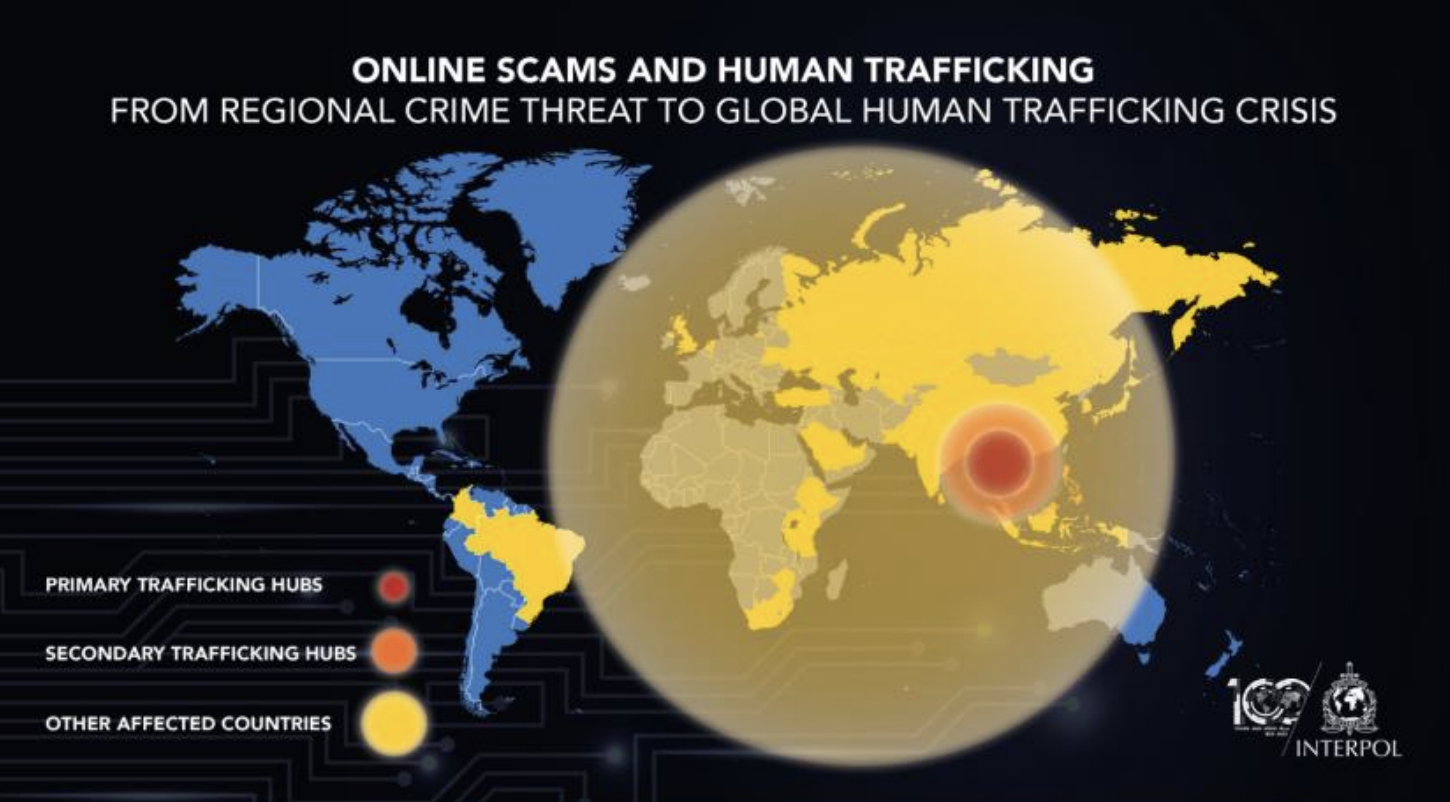
Traditional security tools, relying on blocklists and historical patterns, are no match for these novel threats. As zero-day phishing grows more sophisticated, the demand for innovative detection systems becomes critical.
The Rising Cost of Phishing: Data That Speaks Volumes
Phishing continues to dominate as the most prevalent form of cybercrime, with an estimated 3.4 billion spam emails sent daily globally. The financial impact is staggering: large organizations face average losses of $15 million annually due to phishing attacks, which translates to over $1,500 per employee. Additionally, cybercrime as a whole is projected to cost the world $9.5 trillion USD annually by the end of 2024.
The consequences of these attacks extend beyond financial loss. The global average cost of a data breach has risen to $4.88 million, marking a significant increase and underscoring the importance of robust cybersecurity measures. Moreover, phishing incidents surged by 173% within a single quarter, from 180.4 million to an alarming 493.2 million.
StrongestLayer’s own findings further highlight the scope of the issue:
- 6.5 million unique phishing domains and URLs have been detected by StrongestLayer’s agentic AI, compared to just 37,320 detections from public or crowd-sourced platforms that echoed back.

- Indigenous Phishing Detections: StrongestLayer’s proprietary system has identified 7.12 million phishing attempts — out of which only 106,140 were ever reported in public channels.
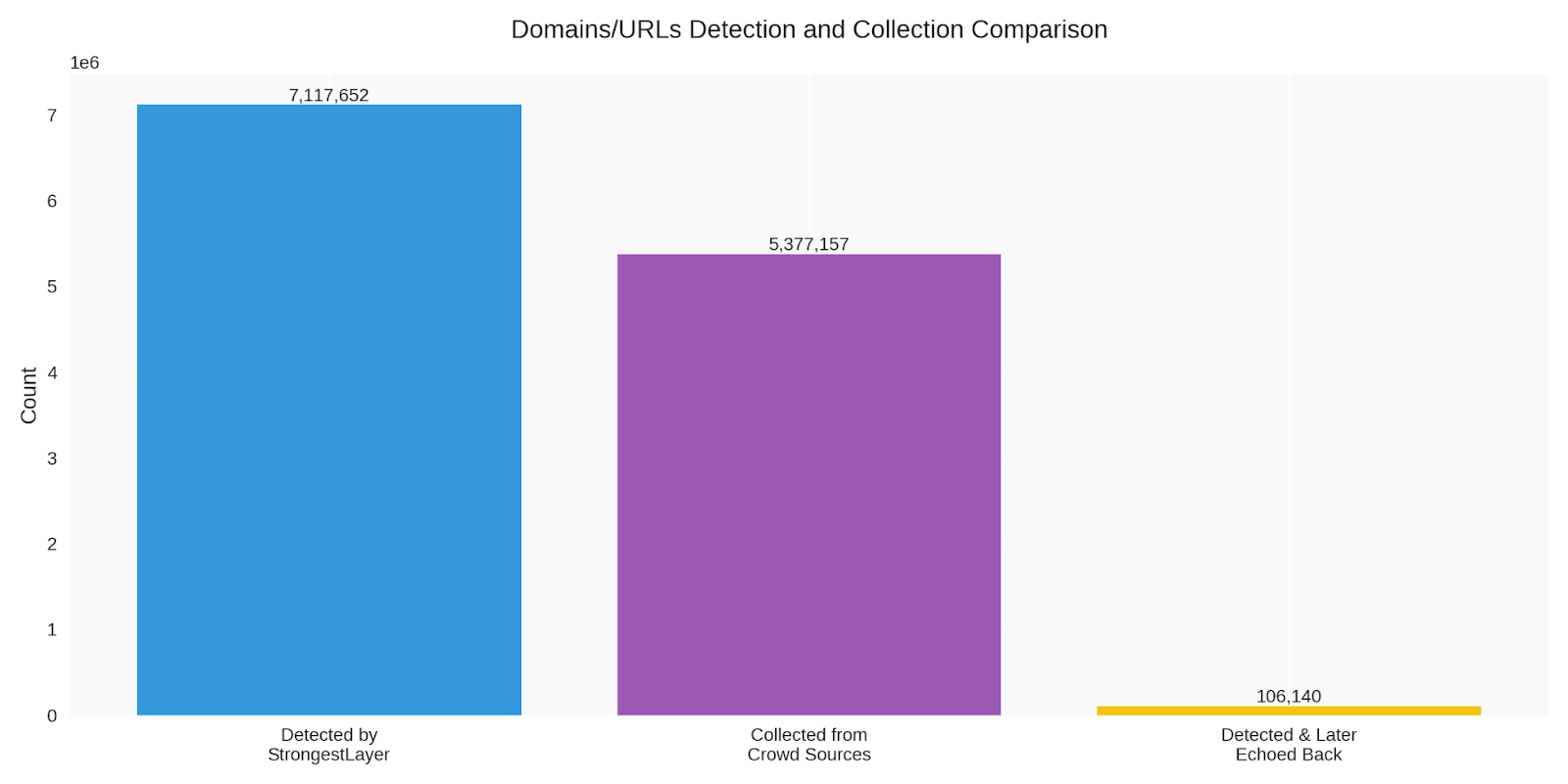
- Public Data Limitations: Public or crowd-sourced platforms often miss the majority of emerging threats, emphasizing the need for dedicated solutions.
These statistics highlight the growing sophistication of phishing and the widening gap in detection capabilities.
Regional Trends in Phishing Activity
StrongestLayer’s analysis also uncovers significant geographic trends:
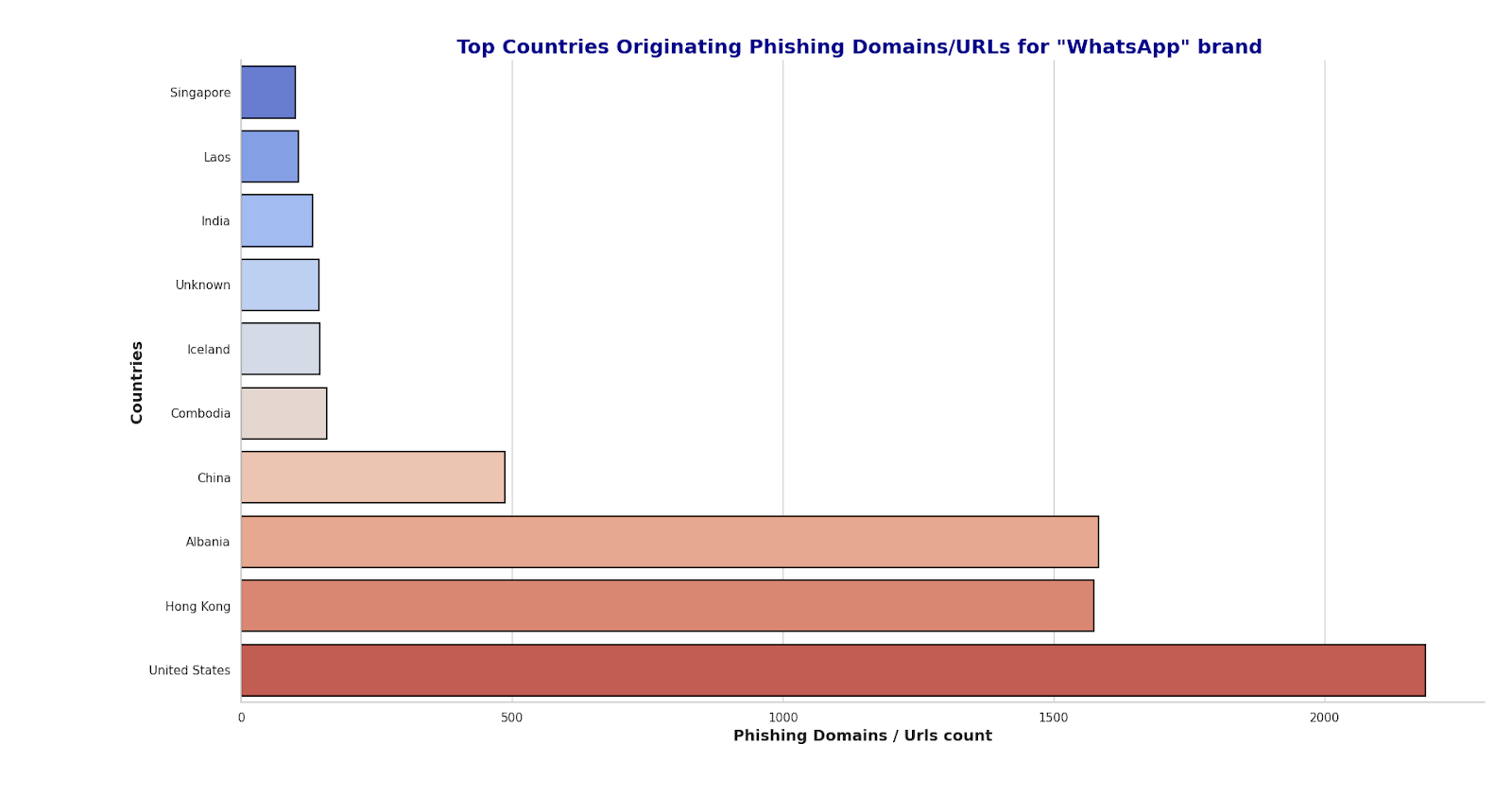
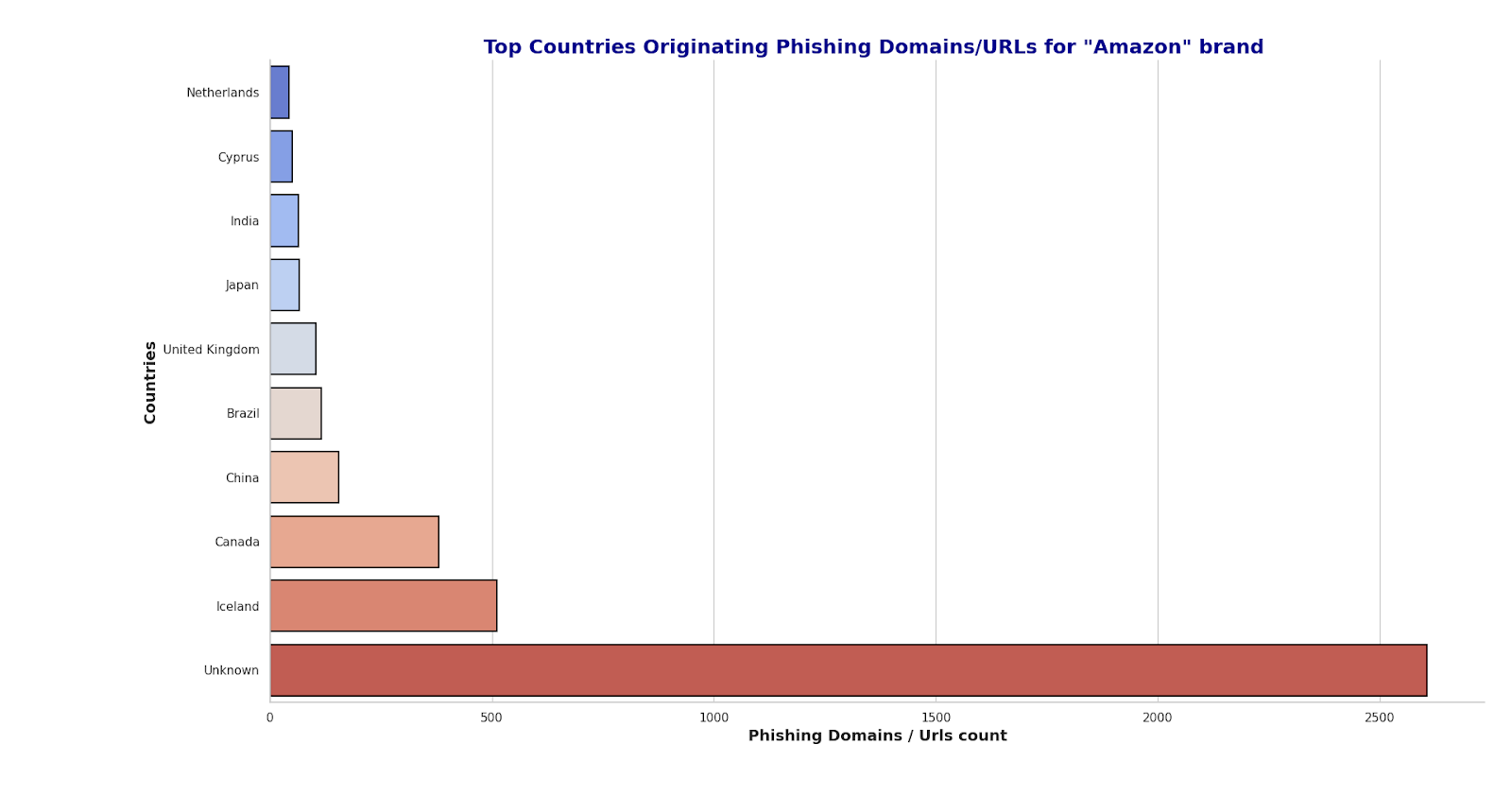
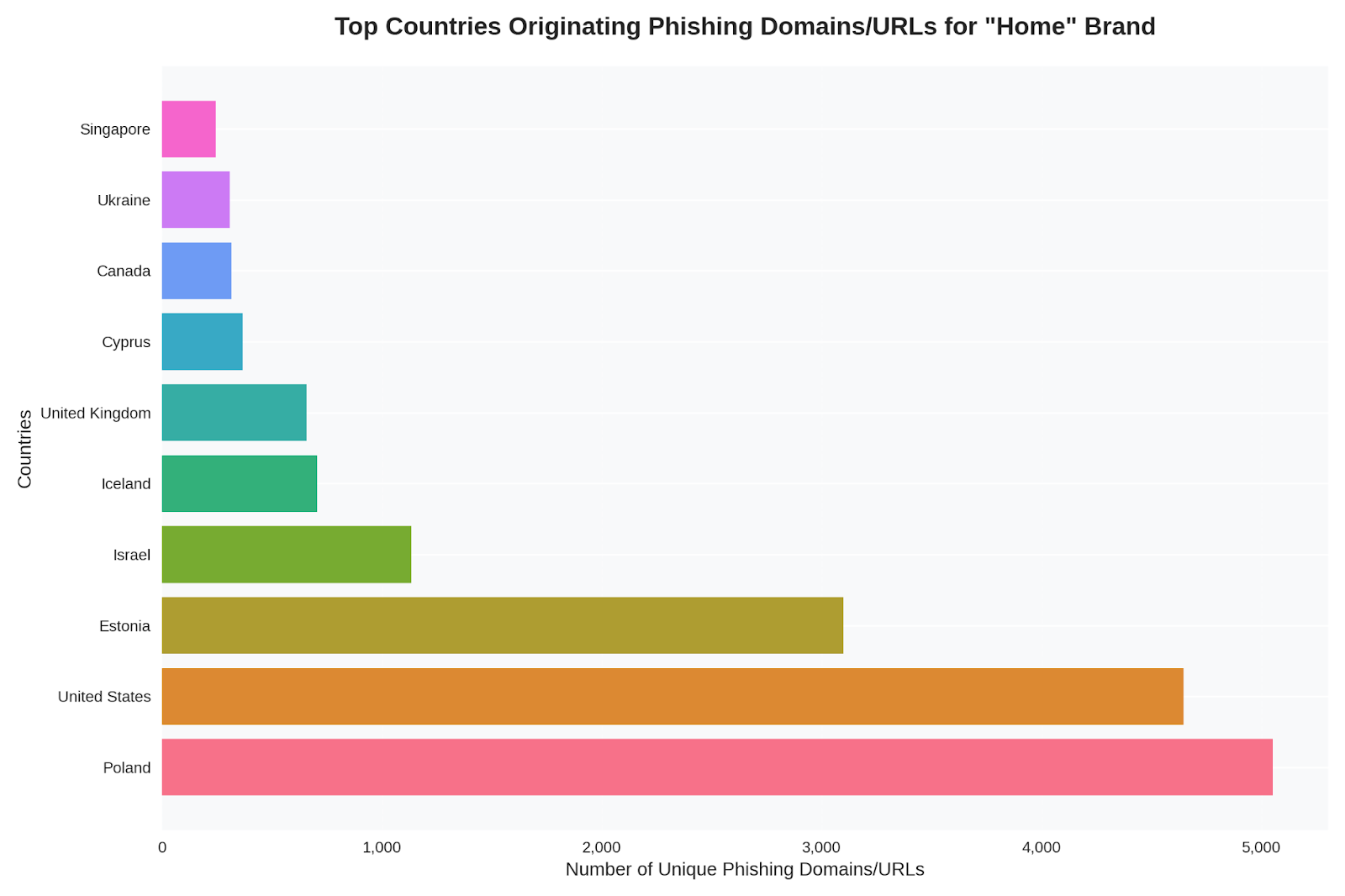
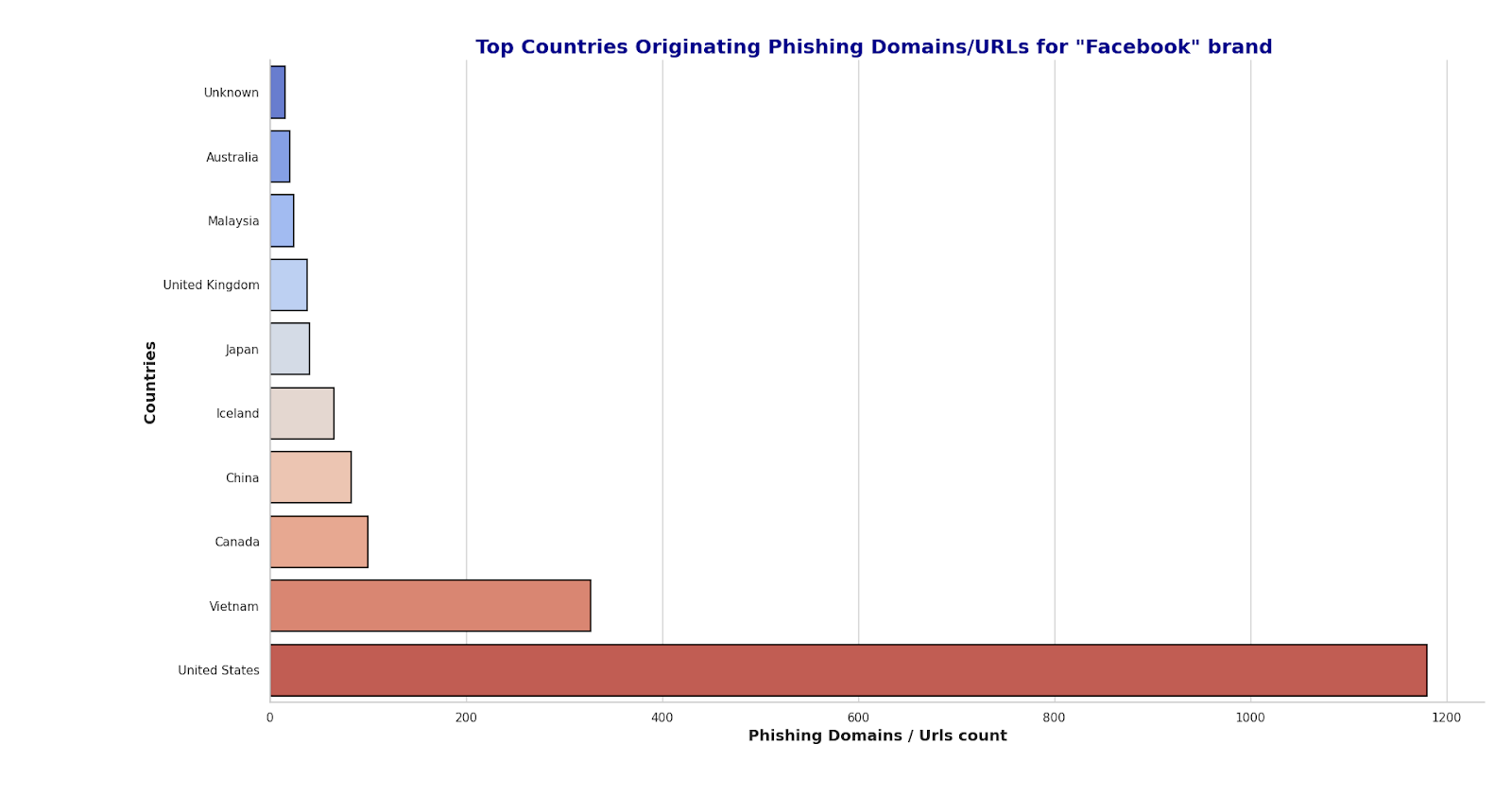
- United States: Continues to be the leading origin of phishing campaigns.
- Iceland and Estonia: Emerging hotspots due to advanced digital infrastructure and lax domain registration practices.
StrongestLayer Threat Intelligence Zero-Day phishing detections based worldwide distribution of phishing campaign origins:

- Geopolitical Tensions: State-sponsored campaigns frequently originate in regions experiencing geopolitical strife, such as Israel, Ukraine, and Poland.
These insights underscore the importance of adaptive intelligence to counter threats on a global scale.
A Broader View: Societal Impact and Brand-Specific Phishing
Phishing attacks don’t just affect organizations; they impact society as a whole. Cybercriminals are increasingly targeting specific brands, leveraging stolen credentials and compromised domains to launch sophisticated attacks. StrongestLayer’s agentic AI provides real-time detection and protection against these targeted campaigns, safeguarding both companies and individuals.
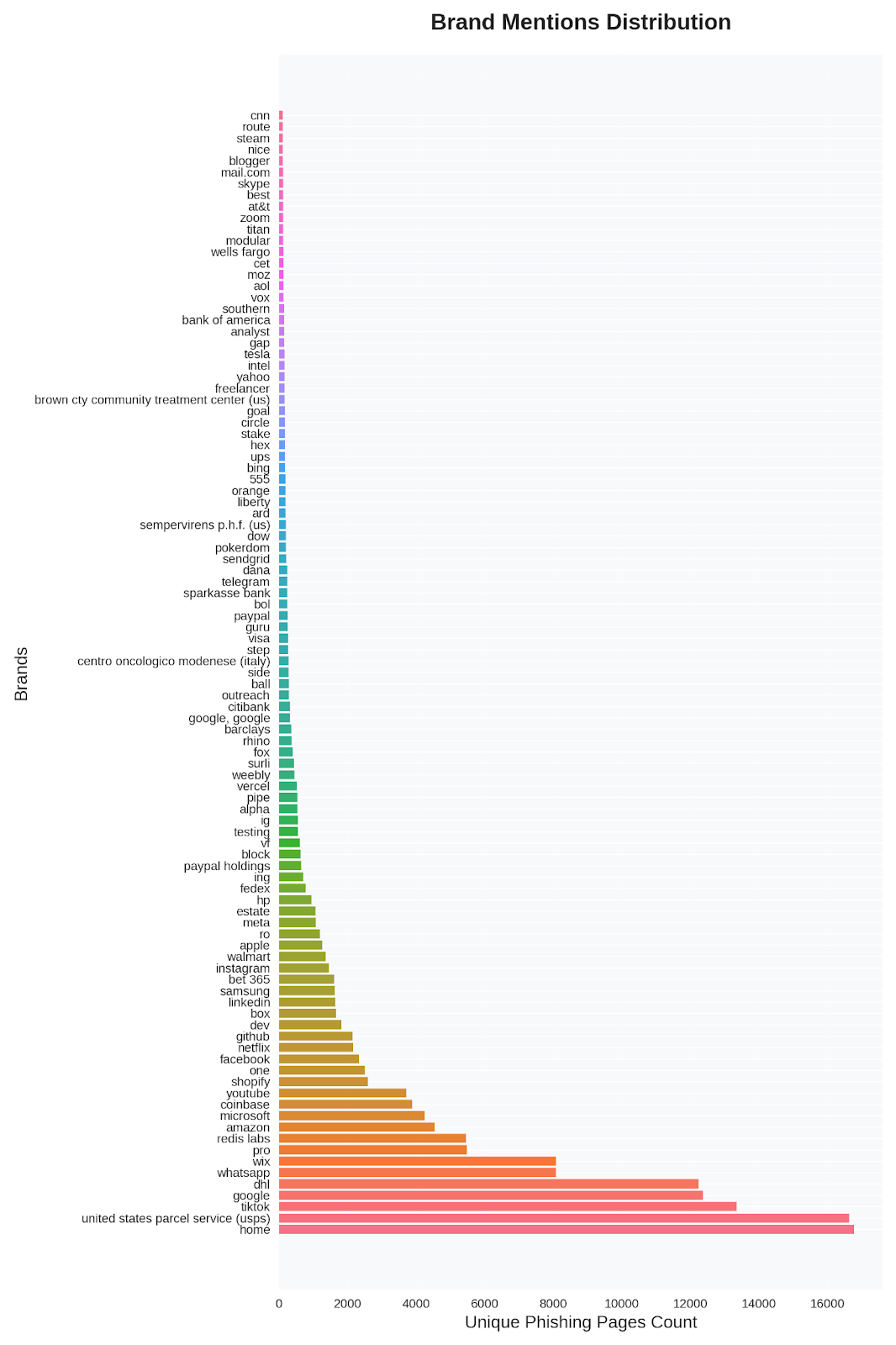
Beyond technical advantages, StrongestLayer addresses the human cost of phishing. By aligning with broader societal issues—such as combating the trafficking of individuals for scam operations—the company underscores the critical importance of proactive cybersecurity measures.



The Role of Agentic AI in Combating Phishing
Agentic AI is defined as an autonomous system capable of independently analyzing, learning, and adapting to detect and neutralize emerging threats. Unlike static, rule-based systems, agentic AI evolves continuously, leveraging historical data and predictive models to anticipate future threats.
StrongestLayer’s agentic AI offers three core advantages:
- Comprehensive Threat Detection: It identifies phishing domains and URLs far beyond the capabilities of traditional systems.
- Predictive Intelligence: The system predicts and neutralizes zero-day phishing attacks before they can cause harm.
- Enhanced Accuracy: False positives are minimized through advanced clustering and automated analysis algorithms, ensuring actionable intelligence.
This technology forms the backbone of StrongestLayer’s ability to address the scale and sophistication of zero-day phishing threats.
Staying Ahead: Why StrongestLayer Matters
As phishing attacks grow more advanced and frequent, organizations need a solution that evolves with the threat landscape. StrongestLayer’s agentic AI bridges the gap between zero-day phishing detection and traditional security measures. By providing predictive intelligence, real-time detection, and unparalleled accuracy, StrongestLayer empowers organizations to protect themselves effectively.
Zero-day phishing threats aren’t going away—they’re accelerating. StrongestLayer remains committed to fostering innovation and collaboration, helping organizations stay ahead of cybercriminals and securing the digital ecosystem against tomorrow’s threats.
Subscribe to Our Newsletters!
Be the first to get exclusive offers and the latest news



Tomorrow's Threats. Stopped Today.