Email security for the AI era.
For 15 years, email security relied on signatures and pattern matching. AI-generated phishing made that obsolete in 18 months. StrongestLayer was built from the ground up to reason about every email, not match it against yesterday’s threats.
Threats think. Detection has to think back.
Generative AI dropped the cost of a credible phishing campaign to near zero. Every modern attack is unique, a one-off message tailored to one recipient, generated in the seconds before it sends. Pattern-matching gateways were built to catch what they’d already seen. They were never going to catch what doesn’t repeat.
We started StrongestLayer in 2024 because the architecture had to change. Not bolt-on machine learning. Not a smarter rules engine. A reasoning system, built on LLMs from day one, one that thinks about every email the way an analyst would, and explains its verdict in plain English.
The result is the TRACE platform, the Threat Reasoning AI Correlation Engine. It turns email security from a pile of brittle rules into a thinking layer your SOC and your end users can actually defend.
Built by people who’ve shipped this stack before.

15+ years in email and behavioral security. Previously led product and BU at Proofpoint, McAfee, and Intel Security.
LinkedIn
15+ years in cybersecurity and large-scale detection systems. Played a key role in scaling FireEye’s globally-recognized engine for APTs and zero-day attacks. Architect of the LLM-powered TRACE detection stack.
LinkedIn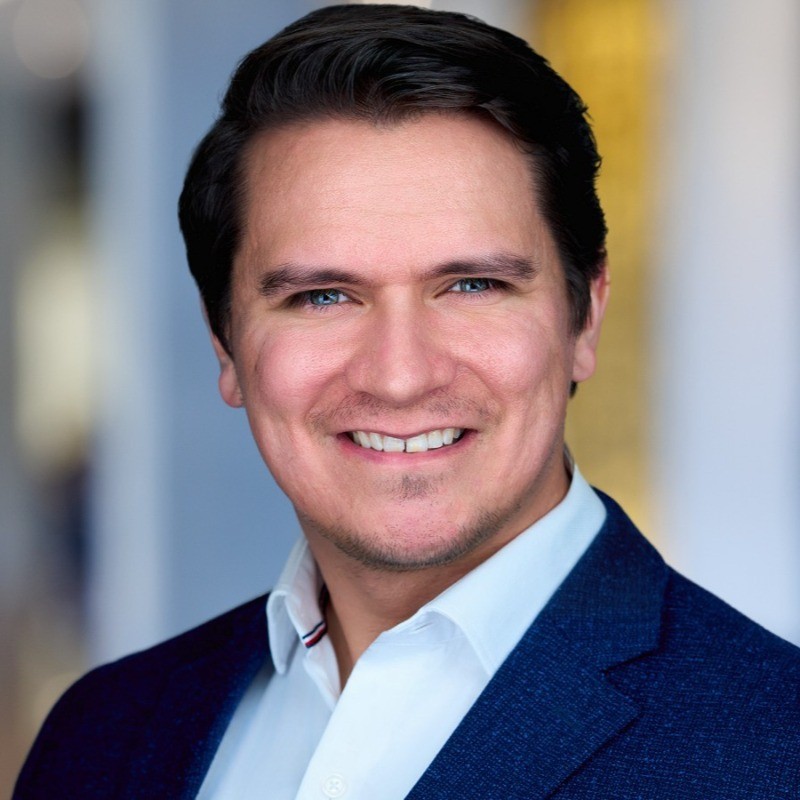
15+ years in enterprise security. Senior roles at Google, Mandiant, FireEye, and Proofpoint. Early career at Belfast-based Maildistiller (acquired by Proofpoint, 2013). Translates detection research into enterprise-ready products.
LinkedInOperators who’ve been on both sides of email security.
A team that ran security awareness, sold the legacy stack, and supported customers through every flavor of phishing, now building the layer that makes that stack obsolete.

Sold email security at Proofpoint and McAfee, now on the building side. Co-host of the Reasoning podcast.
LinkedIn
11 years in security awareness at Wombat Security and Proofpoint. Maps Human Risk as a dynamic signal, not a static setting.
LinkedIn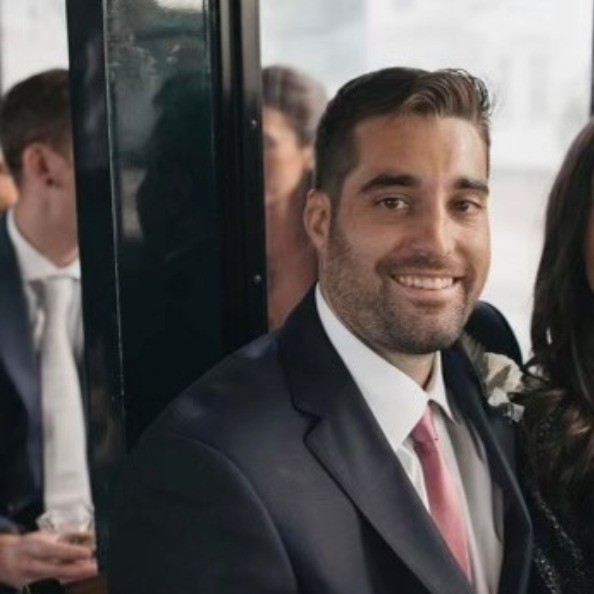
Brings the buyer’s lens from years inside IANS, Valimail, AppNeta, and Carbon Black. Translates platform value into CISO language.
LinkedIn
Came from Proofpoint Managed Services and FigBytes Customer Success. Leads growth and tells the AI-native story to the world.
LinkedIn
Customer-side experience across Grupo Azero and Carnival Cruise Line. Owns the StrongestLayer customer relationship in LATAM.
LinkedIn
Brings the buyer’s lens to enterprise conversations, helps CISOs and security teams evaluate StrongestLayer against their existing email security stack.
LinkedIn


Want to join, partner, or talk shop?
We’re hiring across research, engineering, and go-to-market. Investors and partners welcome too.